
How I Saved Hundreds on Baby Products (Vinted and Reselling Tips)
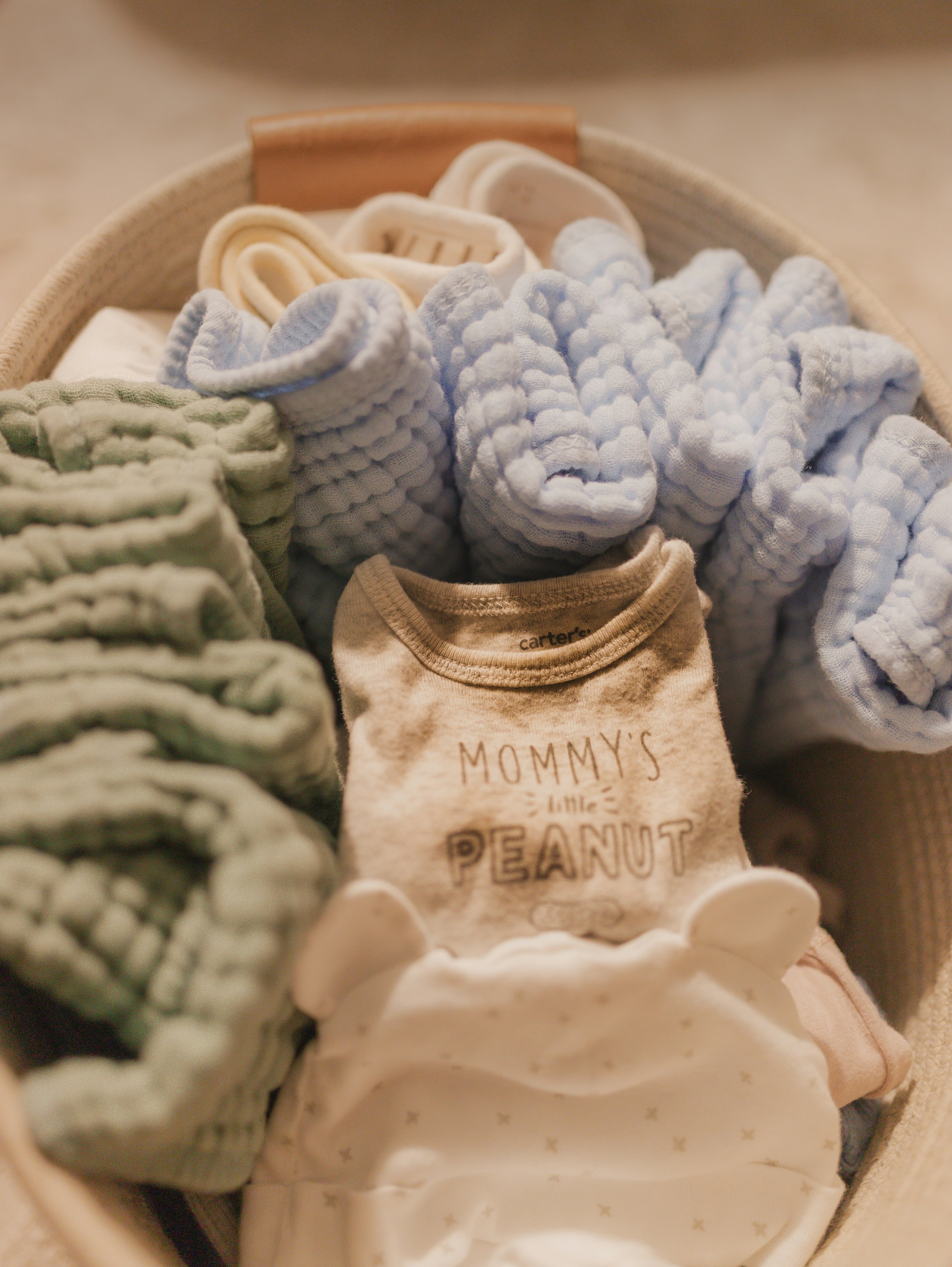
When we found out we were going to be first time parents to not one, but two babies (I will never forget the Dr saying - 'it's TWINS!’), I quickly fell down a rabbit hole researching everything we would need to buy before they arrived. As we would need not one but two of many things, the costs added up quickly. From cots to clothes to toys, I felt the pressure to be prepared in every sense of the word. I am forever grateful twins pushed me to download Vinted and enter the world of online second hand shopping. It's made a huge difference to my bank account and also to the amount of new products I order and consume, something I'm mindful of given climate change and the state of the world.
Why second-hand makes so much sense
There is implicit and explicit pressure from society and people in our lives to believe a new baby should = new things. Yet the reality is babies use clothing and toys for weeks and months, not years. I suspect nearly every parent can remember finding new clothes with tags in the wardrobe long after their baby had grown out of them. There is a huge resale market in the UK, and I quickly realised that I could buy many of the things I needed for the first year in excellent (sometimes like new) condition. I was able to buy brands I love (Boden, Polarn O Pyret, Mori, Frugi, Joules) second hand, often for the same price as new supermarket clothing.
What I would and wouldn't buy second hand
Clothes were the main thing I bought second hand. There is an absolute glut of them on Vinted, as so many people buy new and babies outgrow them so quickly, before any wear and tear takes a toll. You can also find things like lightly used baby carriers, books and toys. What you are willing to buy second hand depends on your comfort zone. My twins were premature and I was incredibly cautious when it came to health and safety, in part due to their fragile health, and in part because it's my nature. As a result, while I was happy to buy second-hand clothes, I purchased things our UV steriliser, formula making machine, cots etc new (though I did watch and wait until they had gone on sale!) and then resold or gave them away when we were finished with them. I would use caution with things like used mattresses (hygiene and firmness), car seats (safety concerns) and formula prep tools (ditto) and ensure they are safe for your baby.
Where to buy & sell in the UK
The main site I use is Vinted. It's great for clothes and smaller items - you can bundle clothes if you don't want to bother posting individual items for a few quid. I will do a follow up blog on Vinted tips (there are ways to hack and algorithm and make quick sales) but if you are just starting out my top tips are to take good, clear photos; upload around 5 items at a time rather than just one or two; ensure clothes are clean and well packaged; and ship within a day or two of making a sale. If you consistently do these things, you will make sales! Don’t be put off if listing your first few items takes ages and don't feel worth the time and effort - by the time you've listed a dozen the process will be much smoother and faster.
When we lived in London, I also sold bigger items (SNOOs; baby Bjorn seats; room divider for a baby play area, etc) on Facebook marketplace. My main concern with this was having to interact with random people! For my own peace of mind, I never gave my full address, I met them at the end of the block. For the most part people were prompt and lovely, only once did I have a man persistently message me and try to haggle for a baby gate.
When we moved to a smaller town, I realised there was a mum's buy/sell whatsaap group, where hundreds of items are listed weekly, often for bargain prices. It's worth finding out if this exists in your area if you move to a smaller village or town in the UK!
There are also often twin buy and sell groups around the UK, which can be a great way to pick up two of the things you need (I scored 2 Trip Trap chairs for £25 each on our twin group!)
Lessons I learned the hard way so you don't have to
If you are just starting out, try to start with curiosity and low expectations. While my experience has been overwhelmingly positive, there has been the odd flop and I try to take it in stride as part of the process. Key ones for me have been:
Items that have been washed with overwhelmingly strong detergent (I'm smell sensitive and some of the detergents are SO strong they don't wash out!)
Slow shipping, poor packaging (inexplicably some people wrap things in bin bags)
Items not as described (don't fit or surprising fabric)
With marketplace, people not showing up to collect, odd messages and lots of 'is this still available' with no follow up
The faff of dropping off and collecting. If you have young children, a hectic life, and don't live around the corner from a collection point, have it delivered to your door. It's just not worth the extra mental load and pressure to collect parcels in order to save £0.30. If you're worried about random people having your full name and address, you can change your name to your initials on Vinted
The resale piece
Buying second hand is half the story - selling things on is another way to make a huge difference to their overall cost. Buy (second hand or new) → use → sell → is the cycle to keep costs down (or turn a profit). If you buy second hand at the start of the cycle, you also reduce the enormous impact of baby related consumption.
If you can buy it clothes or baby gear at a reasonable price, you can often resell it for the same or more. For both clothes and baby items, brand matters. In my experience, more expensive brands tend to hold their value better for resale: Trip Trap, baby Bjorn, Boden, Trotters, Polarn o Pyret, Little White Company, Frugi, and John Lewis are some examples.
For example, I will be able to resell the Trip Trap chairs for double or more than I paid after 3 years of my twins using them. We bought Snoos during a sale for £800 and I sold them on Facebook marketplace for £600 each, meaning the cost to use of something that retailed at £1,145 was £200 (if you want to learn my honest, unbiased opinion of the SNOO and tips for purchasing/reselling it check out this post).
Practical tips
Take clear photos (ideally on a hanger on a white wall, natural light helps). I hung a command hook on a wall so I have a consistent space to easily hang clothes
keep original packaging if possible - this doesn't matter for clothes but it does for other baby items like formula or steriliser machines, SNOO etc
Items are only worth what someone will pay for them. Be willing to accept offers if it isn't going at your asking price.
Clothing will sell best at the start of a new season
Bundle items where it makes sense but expect lower prices than if you sold them individually
Lastly, accept that the cycle of sorting through baby clothes to add new ones and clear out those they have outgrown is in turns sweet, fun, nostalgic and also WORK. It takes time and effort and energy. If selling things on is too much for your capacity, find places to donate so they don't go to waste, and please never throw them in the bin as most things can be recycled (I will do another post on this soon!)
Honest reflections
Looking back, buying and selling second-hand made a bigger difference than I expected — not just financially, but mentally. My natural temperament is cautious. Despite wishing and trying to be an optimist, my factory setting is cautious and I found maintaining an open, trusting nature in London a challenge. The biggest thing that surprised me about buying from and selling things to strangers is the number of smooth transactions and sweet connections - having someone message you about how much they love the item they bought from me, or opening a Vinted clothing package to see the seller had slipped another piece of baby clothing in as a gift. It took the pressure off of needing to get every baby purchase right because I was able to resell it if it didn't suit or was only used for a few weeks, and more than anything it made me feel like I am making a small but conscious choice about how I consume and recycle. You don’t have to buy everything second-hand — but even choosing Vinted over amazon a few items can make a difference to your wallet and environmental impact.